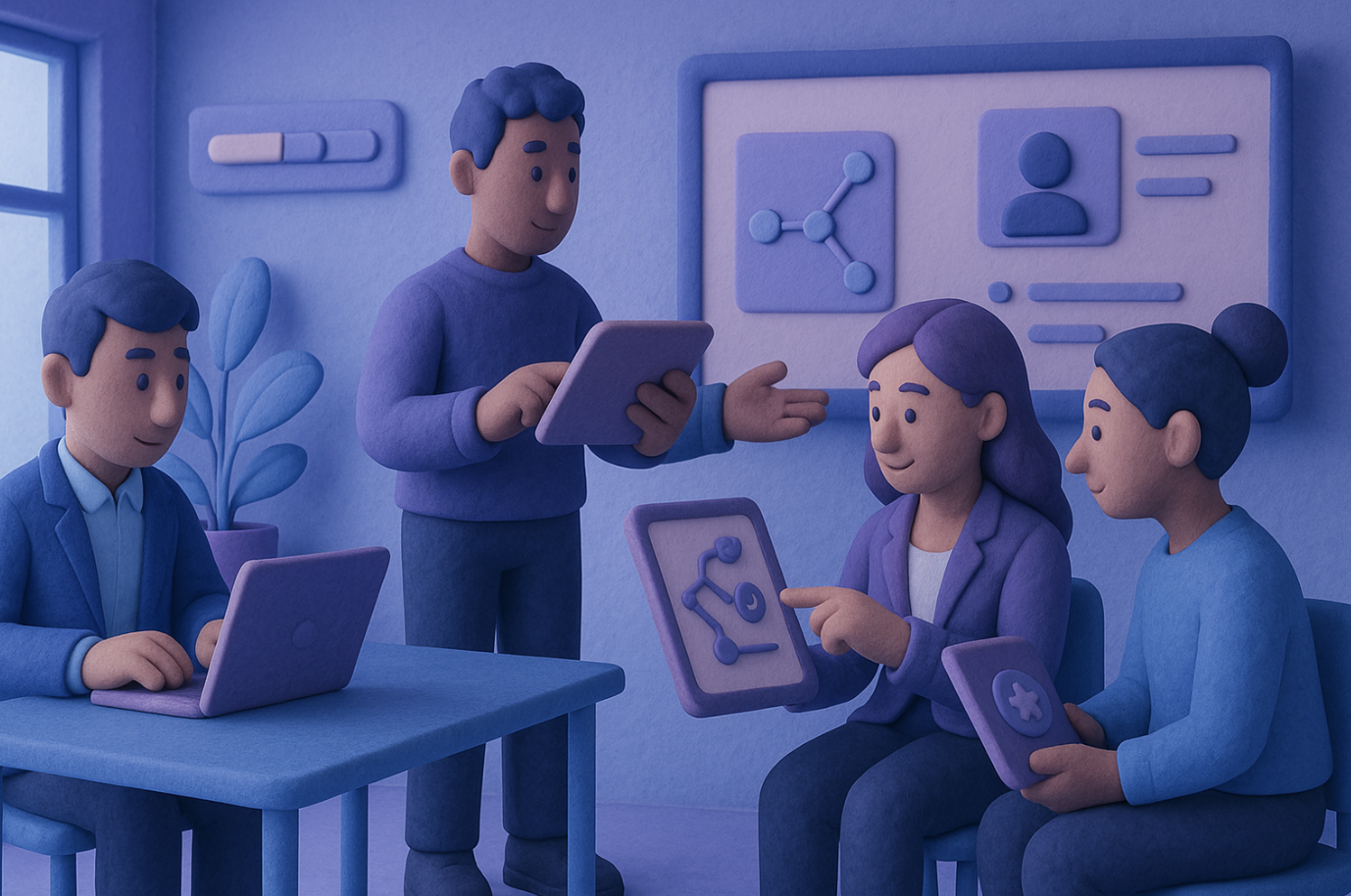

From Static Courses to Dynamic Learning: How AI is Transforming L&D Delivery
AI is not just changing what content is created. It is reshaping how learning is delivered. From personalized recommendations to real-time support, AI is making learning more dynamic, accessible, and impactful.
The Traditional Delivery Model
For decades, L&D delivery looked the same. Classroom sessions, standard eLearning modules, and scheduled workshops were the main options. They served their purpose, but they were often rigid, generic, and disconnected from the reality of work.
Employees would sit through the course, complete the module, or tick the compliance box. Then, they would return to their jobs, often struggling to apply what they had learned in context.
The problem was never just delivery. It was that delivery was disconnected from the flow of work.
AI is rewriting this story.
How AI Enhances Learning Delivery
AI does not simply digitize the old way of doing things. It changes the delivery model itself, making learning more relevant and adaptable.
1. Personalized Recommendations
Instead of everyone taking the same generic course, AI can recommend learning resources based on role, skill gaps, and career goals. A project manager may get nudged toward a leadership module, while a new hire in finance might be directed to compliance essentials. Learning becomes personal, not one-size-fits-all.
2. Adaptive Learning Systems
AI allows delivery to adjust in real time. Learners who are struggling receive extra support, while high performers skip what they already know. The journey evolves dynamically, ensuring no one feels bored or left behind.
3. Conversational Learning
AI-powered chatbots are embedding microlearning into platforms people already use - Slack, Teams, or email. Instead of logging into a learning portal, employees get answers, reminders, and bite-sized content in the same space where they collaborate.
4. Predictive Learning Delivery
AI can anticipate when knowledge will be needed and deliver it proactively. For example, it might push regulatory updates before new policies take effect or offer refresher training just before an employee takes on a new responsibility. This prevents skill gaps instead of reacting to them.
5. Multimodal Learning Experiences
AI makes it easier to serve content in multiple formats: text, audio, video, simulations. Learners can engage in the way that works best for them. This flexibility is essential in diverse, global workforces.
The Benefits of AI-Driven Delivery
When done right, the benefits of AI in delivery are clear:
- Relevance: Learners get what they need, not generic material.
- Efficiency: Training shows up in the flow of work, not on top of it.
- Engagement: Conversational, multimodal formats capture attention.
- Scalability: Tens of thousands of employees can access adaptive learning at once.
- Impact: Skills are applied immediately to tasks and business outcomes.
Challenges L&D Leaders Must Address
With opportunity comes responsibility. Leaders must navigate key challenges:
- Overload: Too many nudges or recommendations can overwhelm learners.
- Bias: Algorithms must be checked to ensure inclusivity across demographics.
- Integration: Delivery needs to fit naturally into existing workflows.
- Trust: Learners need transparency on why content is recommended and how AI is being used.
How L&D Can Get Started
The most effective approach is to start small, test, and scale. Practical steps include:
- Map your current delivery channels and pain points.
- Run targeted AI pilots - for example, delivering microlearning in Teams.
- Blend AI recommendations with human guidance from managers and mentors.
- Actively collect learner feedback and adjust quickly.
- Scale gradually, building inclusivity and accessibility into every step.
Conclusion: Smarter Delivery for Smarter Learning
AI is shifting delivery from static courses to dynamic ecosystems. Learning is no longer something that happens once a year in a classroom. It is becoming continuous, contextual, and personal.
The question for L&D leaders is no longer whether to adopt AI in delivery. It is how to use it strategically, in ways that improve both learner experience and business outcomes.
The future of learning will not be defined by how much content we create. It will be defined by how intelligently we deliver it.
Frequently asked questions
How does AI-driven delivery differ from traditional eLearning platforms?
Traditional eLearning delivers the same content to everyone through static modules. AI-driven delivery personalizes content recommendations, adapts to individual learning pace, embeds learning into workflow tools like Slack or Teams, and proactively delivers knowledge when it's needed most.
What is conversational learning and how does it work in practice?
Conversational learning uses AI chatbots to deliver microlearning directly within communication platforms employees already use. Instead of switching to a separate learning management system, workers can access training content, get quick answers, and receive learning reminders right in Slack, Teams, or email.
How can L&D prevent AI recommendation overload for learners?
Set clear frequency limits for notifications, prioritize recommendations based on immediate job relevance and business impact, allow learners to customize their notification preferences, and balance AI suggestions with human mentoring and coaching guidance.
What does predictive learning delivery mean for compliance training?
Predictive AI can analyze upcoming regulatory changes, role transitions, or project assignments to proactively deliver relevant compliance training before it's needed. This shifts from reactive compliance checking to preventive skill building, ensuring employees are prepared ahead of new requirements.
How do you ensure AI delivery algorithms are inclusive and unbiased?
Regularly audit recommendation algorithms for demographic bias, test delivery patterns across different employee groups, include diverse voices in AI training data, and maintain human oversight to validate that AI recommendations serve all learners fairly regardless of background or role level.
What's the best way to integrate AI delivery with existing learning infrastructure?
Start with pilot programs that connect AI tools to one existing system (like your LMS or communication platform), focus on enhancing rather than replacing current workflows, gather user feedback on integration points, and gradually expand connections based on proven value and user adoption.